

Choosing the right type of ski helmet & snowboard helmet is important when skiing or snowboarding. If you're a beginner, it can be difficult to know what options you have and how different helmets will affect your comfort level on the slopes. Here's some information on types, size guide, features of ski helmets and how they can help you choose the right one.
Ski helmets can be purchased at: BNA Boardshop
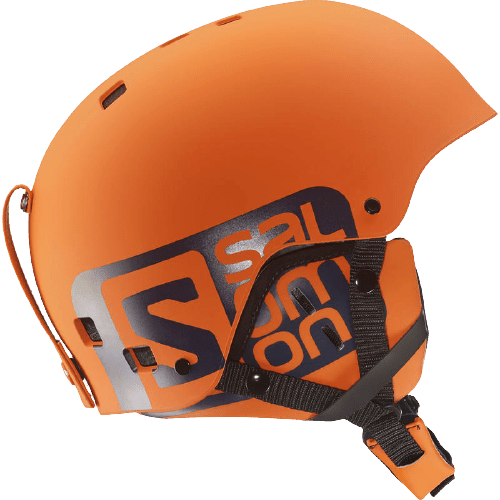
How to choose the right ski helmet, types?
There are three main types of helmets you can choose from: hard shell, soft shell and half shell. Hard shell helmets offer more protection, but they are also bulkier than other models, which can affect your comfort on the slopes or while skiing. Soft shell helmets are lightweight, which is great for beginners who want to feel like they can move freely.
These types of helmets may not offer as much protection in the event of a fall or accident on the slopes. Half-shell models provide a medium level of protection and some people prefer them because they are easier to carry around ski resorts when you don't need them.
Hardshell helmets: More protection than other ski helmets in protection level and protects your head in a fall
Soft Shell helmets: Lightweight so it doesn't affect movement while skiing, but doesn't have hard shells to protect your head in case of an accident
Half Shell helmets: medium level of protection and lightweight so it doesn't affect your movements when skiing
Full face helmet: A full face helmet covers your entire head with an attached chin guard that protects your jaw from falling objects. These helmets are one of the safest options available and can be great for beginners as well as advanced skiers who want to make sure they're protected if something goes wrong on the slopes.
The downside is that a full face helmet can feel very restrictive compared to other styles, which may not be to everyone's taste when it comes to how a ski helmet should look or feel.
When choosing a ski helmet, remember to think about what activities you'll be using it for. If you want more protection in case of an accident or a fall on the slopes, choose a hard shell model. You can still have some mobility if you choose softshell models, which are lighter than most hardshell models.
Half-shell helmets provide a medium level of protection while being light enough to carry around when you no longer need them. Whichever type is best for your needs, make sure you read reviews before buying one online or in a store near where you live. You can find out different information regarding what is most beneficial about each type of helmet and what consumers think.
Choose a hardshell ski helmet if you want more protection
Lightweight softshell helmets still provide some protection but are easier to carry around when not in use
Half shell models provide a medium level of protection and are lightweight so they don't affect your movements while skiing.
How to find the right size ski helmet?
- Take a piece of tape or some kind of strap about 1 cm above your eyebrow and wrap it around your head. This will give you the circumference of your head and the size you need.
- Try the helmet on - when you have the helmet in your hand, whether it's in the ski shop or you just got it home. It's important that it fits snugly and doesn't slide around on your head, if it does, it's too big. It shouldn't squeeze, it should fit comfortably but snugly.
- Shake your head - when you shake your head, you will feel if the helmet is tight. You'll also quickly feel if it slides around on your head. You can also take your hands and move them back and forth, if your scalp follows, you have the right size, if it doesn't, it might be too big.
Weight of ski helmets. This is a good measure of how well your head will be protected on the slopes, as lighter helmets are usually more comfortable for longer and offer greater protection against impact forces from falls or collisions. It's also worth considering how much ventilation you want in your chosen model, as this can affect comfort levels during strenuous outdoor activities.
In general, models using polycarbonate shells tend to provide better airflow than models made from ABS plastic due to thinner partitions and larger vents, which allow more air circulation inside the helmet interior. Additionally, padding materials such as polyurethane or polystyrene foam will also affect comfort, while an adjustable chin strap can improve safety and prevent the helmet from slipping off during a fall.
How do you find the right size ski helmet for a child?
You do this simply by assessing or getting expert help. It's important that you buy it so that it fits the head, so it protects. But at the same time, it shouldn't hurt.
Your child will have a hard time telling you if it fits well - they might look more at the color and have already fallen in love with a model.
How should a ski helmet fit?
It's important that your helmet fits properly to protect your head in case of collisions or falls on the slopes. So don't buy your ski helmet too big or too small - it has to fit.
It should sit horizontally so it can't fly backwards on your head.
You also need to make sure there is no gap from your forehead to the top of your ski goggles to prevent frostbite on cold days. It also ensures that your ski goggles don't bounce up and down.
Adjustment systems in ski helmets
There are several different adjustment systems depending on the model, brand and snowboard helmet you choose.
Boa - you may know the boa system from your Salomon shoes, your snowboard boots etc. The BOA system works like a small wheel with a cable in it, so you just roll the wheel to tighten it. This is the system we would recommend. It's the easiest and quickest to adjust.
Click off - this is for those who want to ride with a ski hat. Here you can click something off and easily put it back on.
Classic - this is what you know from your bike helmet, but you can adjust it by sliding the rear end back and forth.
Custom air fit - one of the newer systems that works a bit like a "headband" that you can regulate and adjust to your liking.
Ventilation in snowboard or ski helmet?
There are several different types of ski helmets, whether you want it to look smart or have smart features.
Almost all helmets have some form of ventilation to help you get wind and air to your head and avoid sweating like crazy.
There are 2 types of ventilation:
Standard: It is the ski helmets where it is implemented in.
Adjustable: The adjustable, you can regulate so that there is some venting or no venting.
Should you replace your helmet after a few years?
It's important to mention, a ski helmet needs to be replaced of course. Most ski helmet manufacturers and experts say 3-5 years lifespan, this is simply because your snowboard helmet. If you've been on ski holidays and you know your helmet has taken a lot of knocks, you should consider replacing it. At the very least, check for cracks in the shell and foam inside.
It's a bit like if your car sits in a barn for many years and isn't used, the materials will continue to age.
You might also ask yourself the question, what if I never fall over? The material of a ski helmet is also challenged by your sweat, your hair, your detergent.
This is also why ski shops replace their ski helmets after 1-3 seasons.
How do I check if my helmet needs replacing?
We always recommend checking your helmet for wear and tear or cracks, which can be done by removing the padding.
You need to check your lock, i.e. the buckle, which ensures that your helmet does not pop out when you fall. If you have experienced that it has jumped out of the lock easily, it should be replaced.
For children: make sure the helmet has not become too small.
Is there anything you can get from the manufacturer?
Some protective ski companies actually offer to give a good deal on a new ski helmet if it cracks in a crash within the warranty. Since they're made for falling over, they also need to provide some form of safety.
How can you tell if a snowboard and ski helmet is safety approved?
There are several of these institutions that test ski helmets before they land in ski shops. Almost all helmets that you find in ski shops around the world are safety approved. There are some park helmets that are less safe but look cooler.
EN 1077A/B - is a certificate that a ski helmet has been tested.
ASTM F2040 - has slightly stricter requirements for testing ski and snowboard helmets.
Who makes good ski helmets?